
 admin
admin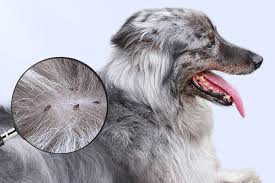
Fleas are external parasites you can often see, while worms are internal and their signs are more subtle. Vigilant owners can spot the clues for both before assessing the best flea treatment for dogs and cats.
Top 5 Signs of a Flea Infestation
1. Excessive Scratching, Biting, and Licking
- What to Look For: Your dog is suddenly and intensely scratching, especially around the neck, base of the tail, and groin. They may also bite at their fur or lick their skin obsessively.
- Why it Happens: Flea saliva is a potent allergen that causes intense itching (pruritus), even from just one or two bites in sensitive dogs.
2. The “Flea Dirt” Test: A Tell-Tale Sign
- What to Look For: Small, black, pepper-like specks deep in the dog’s coat, especially on the lower back, tail, and belly.
- The Test: Brush these specks onto a white paper towel and add a drop of water. If they turn a reddish-brown color, it’s confirmed flea dirt (flea feces made of digested blood).
- Why it’s Conclusive: This is the single best way to confirm fleas, even if you never see a live flea.
3. Visible Fleas or Flea Eggs
- What to Look For: Part the fur and look for tiny, fast-moving, dark brown insects. You might also see tiny white specks (eggs) that look like salt, which can fall off onto your dog’s bedding.
- Where to Look: Check warm, protected areas like the groin, armpits, and the base of the tail.
4. Hot Spots and Skin Irritation
- What to Look For: Red, inflamed, moist, and painful sores on the skin, often resulting from the dog’s relentless scratching and biting.
- Why it Happens: The trauma from scratching breaks the skin, allowing bacteria to cause a secondary infection. This is a common consequence of Flea Allergy Dermatitis (FAD).
5. Hair Loss and Thinning Coat
- What to Look For: Patchy hair loss, especially over the lower back, tail base, and hind legs. The skin in these areas may look thickened or darkened.
- Why it Happens: This is a long-term effect of chronic scratching, biting, and inflammation caused by the flea infestation.
Top 5 Signs of a Worm Infection
6. Visible Worms in Stool or Vomit
- What to Look For:
- Roundworms: Look like strands of white spaghetti in vomit or stool.
- Tapeworms: Appear as small, white, rice-like segments that can be seen moving near the anus, in the stool, or on the dog’s bedding.
- Why it’s Obvious: This is the most direct and undeniable sign of an active, heavy worm burden.
7. “Scooting” or Dragging Their Rear
- What to Look For: Your dog dragging its bottom along the ground.
- Why it Happens: This is often a sign of tapeworms or impacted anal glands. The tapeworm segments exiting the anus are irritating and itchy, causing the dog to scoot for relief.
8. A Potbellied Appearance
- What to Look For: A swollen, distended abdomen, especially in puppies, that looks out of proportion with the rest of their body.
- Why it Happens: A large number of roundworms or hookworms in the intestines can cause a physical blockage and distension, leading to this characteristic “potbelly.”
9. Changes in Stool and Appetite
- What to Look For:
- Diarrhea: Persistent soft stool or diarrhea, which may contain blood or mucus.
- Vomiting: Unexplained vomiting; you may even see worms in the vomit.
- Appetite Changes: Either a loss of appetite or an increased hunger without weight gain.
- Why it Happens: Worms damage the intestinal lining and steal nutrients, disrupting normal digestion and absorption.
10. Lethargy, Weakness, and Poor Condition
- What to Look For: A general lack of energy, dull or rough coat, and unexplained weight loss despite a good appetite.
- Why it Happens: Intestinal worms are nutrient thieves. They consume the calories and vital nutrients from the dog’s food, leaving the dog malnourished, anemic (especially with hookworms), and weak.
Summary Table: Quick Reference Guide
| Sign | Likely Parasite | What to Do |
|---|---|---|
| Intense Scratching & “Flea Dirt” | Fleas | Confirm with the wet paper test. Start a fast-acting flea treatment. |
| Visible Worms in Stool/Vomit | Roundworms, Tapeworms | Take a clear photo and bring a stool sample to your vet immediately. |
| Scooting | Tapeworms | Check for rice-like segments near the anus. Vet visit for dewormer. |
| Potbelly in a Puppy | Roundworms | Common in pups; requires a vet-prescribed dewormer. |
| Dull Coat, Lethargy, Weight Loss | Hookworms, Roundworms, Whipworms | This indicates a significant burden; a vet visit and fecal test are urgent. |
Conclusion: While some signs are more obvious than others, the key is to know what is normal for your dog. Any sudden change in their grooming habits, energy level, appetite, or stool should be investigated for flea and worm treatment for cats and dogs.
Important Disclaimer: If you observe any of these signs, consult your veterinarian. They can perform a fecal exam to identify the specific type of worm and prescribe the correct, effective treatment. Never use a dewormer without a diagnosis, as different worms require different medications.