 Keith Bell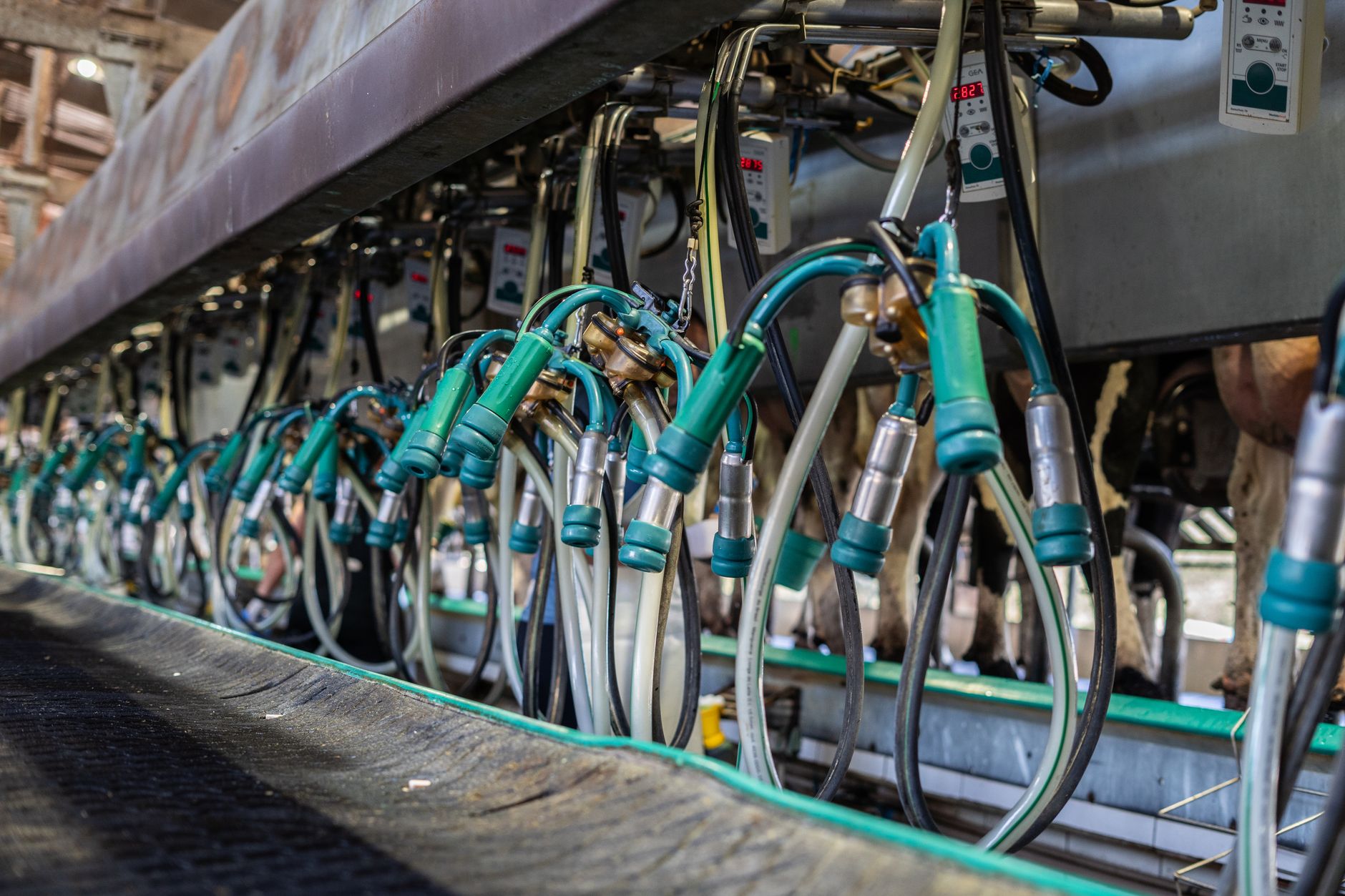
milk recall Washington has raised concerns among consumers due to reports of premature spoilage. This article provides essential information about the situation and what you should do.
What is the milk recall Washington?
The recent milk recall in Washington has raised concerns among consumers regarding the safety and quality of dairy products. This recall was initiated due to reports of premature spoilage in milk sold at various grocery stores across the state. The affected products were found to have a significantly shorter shelf life than expected, leading to potential health risks for those who consumed them.
Authorities have urged residents to check their refrigerators for the recalled milk, which may have been purchased within the past month. Consumers are advised to look for specific brand names and expiration dates associated with the recall.
In response to the situation, local health officials have emphasized the importance of food safety and proper storage practices. They recommend discarding any affected products and reporting any adverse reactions to the authorities. To ensure consumer safety, the milk recall Washington aims to prevent further incidents of spoilage and protect public health. As the investigation continues, updates regarding the recall will be provided to keep the community informed.
Reasons for the milk recall Washington
The recent milk recall in Washington has raised significant concerns among consumers due to the alarming issue of premature spoilage. The primary reasons for this recall stem from several factors that have been identified by food safety authorities.
- Manufacturing Errors: Certain batches of milk were produced under conditions that did not meet safety standards, leading to unexpected spoilage.
- Improper Storage: Some retailers may have failed to maintain the correct refrigeration temperatures, contributing to a quicker degradation of milk quality.
- Contamination Risks: Potential contamination during the production process has also been cited as a reason for the compromised freshness of the product.
- Quality Control Issues: Lapses in quality checks at various stages of production have allowed defective products to reach consumers.
These issues have prompted the urgent milk recall in Washington, as health officials emphasize the importance of consumer safety and the need for strict adherence to food safety protocols.
How to check for milk recall Washington
If you live in Washington and are concerned about the recent milk recall, it is essential to know how to check whether the milk you have purchased is affected. Follow these steps to ensure your safety:
- Check the Packaging: Look for any recall notices on the packaging. Producers often include important information on product labels.
- Visit the Official Websites: Go to the Washington State Department of Health or the U.S. Food and Drug Administration (FDA) websites. These platforms provide updated lists of recalled products.
- Contact Retailers: Reach out to the grocery store where you purchased the milk. They may have additional information regarding the recall.
- Look for Consumer Alerts: Pay attention to local news outlets or social media updates, as they often report on significant recalls, including the milk recall Washington.
- Check Expiration Dates: Always verify the expiration dates on the milk carton. Even without a recall, consuming expired milk can be harmful.
Taking these precautions can help you stay informed and safe during this troubling milk recall Washington situation.
Impact on pets from milk recall Washington
The recent milk recall Washington has raised concerns not only for consumers but also for pet owners. Many people may not realize that pets can be affected by spoiled milk. When pets consume spoiled dairy products, they may experience a range of health issues.
Veterinarians warn that signs of spoilage can lead to:
- Vomiting – Pets may show discomfort and regurgitate the spoiled milk.
- Diarrhea – Digestive disturbances can occur, leading to loose stools or diarrhea.
- Lethargy – Pets may become unusually tired or lack energy.
- Loss of appetite – Affected pets might refuse to eat due to gastrointestinal discomfort.
Pet owners are urged to monitor their animals closely if they suspect they have ingested any milk products involved in the recall. If any symptoms arise or if there’s concern about their health, it is crucial to consult a veterinarian immediately. The impact of the milk recall Washington extends beyond humans, highlighting the need for vigilance in ensuring all family members, including pets, stay safe.
Steps to take after milk recall Washington
In light of the recent milk recall Washington, it is crucial for consumers to take several steps to ensure their safety and the safety of their families. First, check your refrigerator for any affected milk products. If you find any that are part of the recall, do not consume them.
Next, it is important to dispose of the recalled milk safely. Seal it in a bag or container to prevent any spillage and throw it away in your household trash. Do not pour it down the sink or drain as this can cause plumbing issues.
After disposal, keep an eye out for any symptoms of foodborne illness, such as nausea, vomiting, or diarrhea. If any symptoms arise, consult a healthcare professional immediately.
Additionally, stay informed by following updates from the Washington State Department of Agriculture or local news outlets regarding the milk recall Washington. You can also check with your grocery store for any refund policies or exchanges available for the recalled products.
Finally, share this information with friends and family to ensure everyone is aware of the potential risks associated with the milk recall Washington.
Future of milk products in Washington
The recent milk recall in Washington has raised significant concerns about the future of dairy products in the state. As consumers become more aware of food safety issues, it is crucial for dairy producers to implement stricter quality control measures.
In light of this incident, many local farms are re-evaluating their production practices to ensure that such premature spoilage does not occur again. This includes:
- Enhanced Testing: Routine testing for quality and shelf-life will become a standard procedure.
- Traceability Improvements: Implementing systems to trace milk from farm to store will help identify issues early.
- Consumer Education: Informing customers on how to handle and store milk properly to prevent spoilage.
Additionally, state regulators are expected to increase oversight of dairy operations, ensuring compliance with safety regulations. This milk recall in Washington serves as a critical reminder of the importance of vigilance in food production. If consumers feel reassured about the safety of their milk, they may continue to support local dairy farms, fostering a more resilient agricultural community.
The recent milk recall Washington has left many consumers questioning the safety of their dairy products. As investigations continue, officials urge residents to stay informed about the milk recall Washington to protect their health.
Photo by Giulia Botan on Pexels