 Keith Bell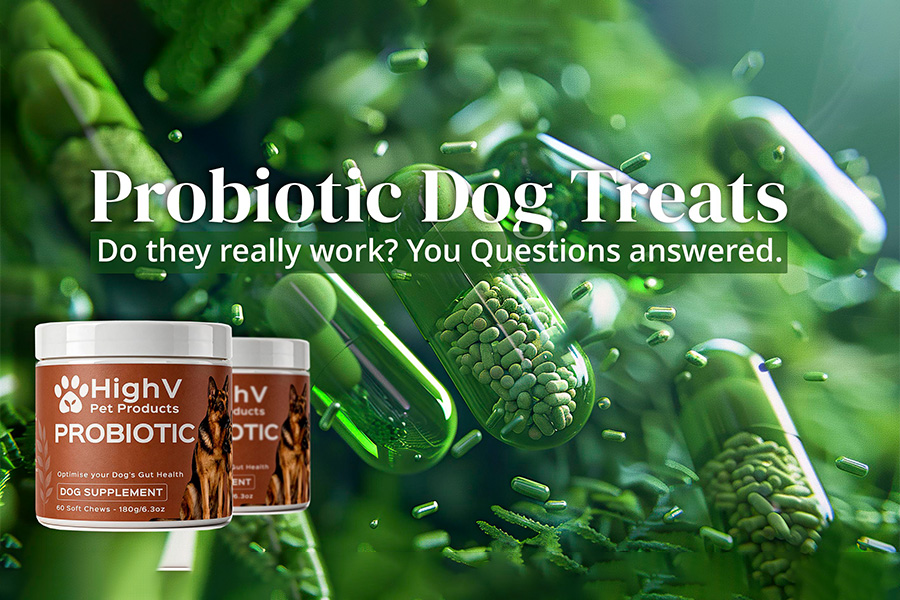
Ask any dog owner in the UK what worries them most about their pet’s day-to-day health and an upset stomach will be near the top of the list. Loose stools on a rainy walk, a bout of vomiting after a scavenged snack in the park, gurgling noises at three in the morning, or a dog that suddenly turns its nose up at breakfast are all familiar scenes in British households. Most of these episodes pass quickly, but they leave owners asking the same question: why does this keep happening, and is there anything sensible I can do to support my dog’s digestion between vet visits?
Contents
- Why Do Dogs Get Upset Stomachs?
- The Gut Microbiome: Your Dog’s Hidden Digestive Partner
- What Probiotic Treats Are, and What They Are Not
- How to Choose a Good Probiotic Treat in the UK
- Introducing Probiotic Treats to Your Dog
- When an Upset Stomach Needs the Vet
- Everyday Habits That Support a Settled Stomach
- The Bottom Line
That question has driven a surge of interest in gut-friendly feeding, and in particular in Probiotic Dog Treats. These are complementary pet foods that combine a tasty, rewardable treat with live beneficial microorganisms that have been authorised for use in animal feed. They are not medicines, they do not treat or cure illness, and they should never replace a trip to the vet when a dog is unwell. What they can do is fit neatly into a daily routine as a way of supporting the normal balance of bacteria in a dog’s gut, which is where a great deal of digestive comfort begins.
This guide explains what actually causes dogs to have upset stomachs, how the gut microbiome fits into the picture, what probiotic treats are and are not allowed to claim under UK rules, how to choose a good one, and, crucially, when a stomach problem needs a veterinary professional rather than a treat tin.
Why Do Dogs Get Upset Stomachs?
Dogs are opportunistic eaters. Their ancestors survived by taking food whenever it appeared, and that instinct has not gone anywhere. The result is that a great many digestive upsets come down to something the dog ate that it should not have. Vets sometimes refer to this as dietary indiscretion, and it covers everything from the contents of a kitchen bin to a mouldy sandwich found under a park bench, a discarded takeaway, horse manure on a country walk, or the cat’s dinner. Rich, fatty leftovers from a Sunday roast are a classic culprit, as are the extra treats that appear around Christmas and family gatherings.
A sudden change of food is another very common trigger. Switching brands overnight, moving from dry food to wet, or introducing a new protein source without a transition period can leave a dog with loose stools for several days. The bacteria in the gut are adapted to a particular diet and need time to adjust when that diet changes. Most manufacturers and vets recommend swapping foods gradually over seven to ten days for exactly this reason.
Stress plays a surprisingly large role. Dogs experience a gut-brain connection much as humans do, and events such as a stay in kennels, a house move, fireworks night, a new baby, a change in the owner’s working hours, or even a long car journey can produce a nervous tummy. Stress-related diarrhoea is often short-lived, but it can be alarming, particularly if it contains mucus or a little fresh blood, which can happen when the lower bowel becomes irritated.
Parasites are a persistent issue for UK dogs. Roundworms, tapeworms, whipworms and the microscopic protozoa Giardia are all found across the country, and Giardia in particular is a frequent cause of intermittent, greasy, foul-smelling diarrhoea in dogs that drink from puddles, streams or shared water bowls. Regular worming according to your vet’s advice, and prompt faecal testing when diarrhoea lingers, are the best defence.
Infections, both bacterial and viral, are also on the list. Parvovirus remains a serious threat to unvaccinated puppies and is a genuine emergency. Bacteria such as Salmonella and Campylobacter can be picked up from raw or contaminated food, and kennel-associated viruses can cause gastrointestinal signs alongside coughing. Then there are food sensitivities and intolerances, where a dog reacts poorly to a particular ingredient, often a protein such as beef, chicken or dairy, leading to chronic soft stools, wind and itchy skin.
Medication can upset the gut too. Courses of antibiotics, while sometimes essential, are not selective: they reduce beneficial gut bacteria as well as harmful ones, and loose stools during or after treatment are common. Non-steroidal anti-inflammatory drugs used for arthritis can also irritate the stomach lining in some dogs. Finally, there is a group of underlying medical conditions, including pancreatitis, inflammatory bowel disease, exocrine pancreatic insufficiency, liver or kidney disease and, in older dogs, tumours, that present as recurring digestive trouble. These all require proper veterinary diagnosis and cannot be managed with diet or treats alone.
The Gut Microbiome: Your Dog’s Hidden Digestive Partner
Inside every dog’s intestines lives a community of trillions of bacteria, yeasts and other microorganisms collectively known as the gut microbiome. Far from being passengers, these microbes do real work. They help break down fibre that the dog’s own enzymes cannot digest, they produce short-chain fatty acids that nourish the cells lining the colon, they contribute to the synthesis of certain vitamins, and they occupy space and resources that would otherwise be available to less desirable organisms. A large proportion of the body’s immune activity is concentrated around the gut wall, so the microbiome and the immune system are in constant conversation.
When this community is balanced and diverse, digestion tends to run smoothly. When it is disrupted, a state researchers call dysbiosis, dogs may show soft stools, excess wind, gurgling, variable appetite and, over time, changes in coat and skin condition. Many of the triggers described above, from scavenging and antibiotics to stress and abrupt diet changes, disrupt the microbiome in one way or another. This is why so much attention has turned to feeding strategies that support the population of beneficial bacteria rather than simply reacting to each upset as it arrives.
What Probiotic Treats Are, and What They Are Not
A probiotic is a live microorganism which, when consumed in adequate amounts, is intended to contribute to a healthy balance of gut flora. In UK animal feed law, probiotics used in dog food and treats are classed as zootechnical feed additives, specifically gut flora stabilisers. Only strains that have been assessed and authorised may be used, and each authorised strain has a defined minimum inclusion level and conditions of use. The most widely used authorised probiotic for dogs is a particular strain of Enterococcus faecium, and you will often see its strain number printed on packaging. Certain Lactobacillus and Bacillus strains are also authorised for use in pet food.
This regulatory framework matters for owners because it draws a clear line. A probiotic treat is a feed product, sitting under the oversight of the Food Standards Agency, the Animal and Plant Health Agency and Trading Standards, and following the labelling rules for complementary pet food. It is not a veterinary medicine. Veterinary medicines are regulated by the Veterinary Medicines Directorate (VMD), and any product that claims to treat, cure or prevent a disease in animals, or to correct a physiological function in a medicinal way, needs a marketing authorisation from the VMD before it can be sold. A treat does not have that authorisation, so responsible manufacturers do not make those claims, and owners should be wary of any product that does.
In practice this means a compliant probiotic treat will describe itself in terms of supporting or helping to maintain normal digestive function, contributing to a balanced gut flora, or being a tasty way to include an authorised gut flora stabiliser in the diet. It will not promise to cure diarrhoea, fix colitis, treat Giardia or replace veterinary care. If your dog is ill, it needs a vet, and the treat, if used at all, is part of everyday feeding rather than a treatment.
How to Choose a Good Probiotic Treat in the UK
Start with the label. Under UK pet food labelling rules a complementary pet food must state that it is complementary, list its composition, provide analytical constituents, name any additives including the probiotic strain and its identification number, and give feeding instructions. A product that names its strain and states the guaranteed number of colony-forming units (CFU) per treat or per kilogram at the end of shelf life, rather than at the point of manufacture, is giving you meaningful information. Live bacteria decline over time, so a guarantee tied to the best-before date is far more useful than a headline figure from the day the batch was made.
Look at how the product is made and stored. Probiotics are living organisms and do not enjoy heat, moisture or prolonged exposure to air. Treats that are gently baked or cold-pressed, packed in resealable pouches with the probiotic added after any high-temperature step, tend to hold their counts better. Check whether the manufacturer recommends storing the treats in a cool, dry place or in the fridge, and follow that advice.
Consider the rest of the recipe. A useful treat should be small enough to fit within a dog’s daily calorie allowance, which is generally taken as no more than ten per cent of total intake from treats. Simple, recognisable ingredients, a single protein source if your dog has sensitivities, and the absence of added sugar, artificial colours and grain-heavy fillers are all points in a product’s favour. Many good probiotic treats also include prebiotic fibres such as inulin, chicory root, fructo-oligosaccharides or beta-glucans, which serve as food for the beneficial bacteria and support their activity in the gut.
Finally, choose a UK manufacturer, or at least one that is registered to produce pet food for the UK market and follows the UK Pet Food industry guidelines. It is a simple way of ensuring the product has been made in an approved facility with the correct traceability, and that the claims on the packet have been written with UK feed law in mind.
Introducing Probiotic Treats to Your Dog
As with any new food, go slowly. Give a single treat with a meal for the first few days and observe your dog’s stools, appetite and general demeanour before moving up to the feeding guide amount for its weight. Many owners find it easiest to build the treat into an existing routine, such as after the morning walk or at bedtime, so it is not forgotten. Consistency is the point: because probiotics are transient in the gut, daily feeding over weeks is what supports a stable population, not an occasional handful.
Probiotic treats can be fed alongside a normal complete diet and do not require any change to the main food. If your vet has prescribed a specific gastrointestinal diet or a veterinary probiotic paste following an illness, check with the practice before adding anything else, so the overall plan stays coherent. Puppies, pregnant or lactating bitches, and dogs with diagnosed medical conditions should always have new products cleared with a vet first.
When an Upset Stomach Needs the Vet
Supporting your dog’s gut at home is sensible, but there are clear situations in which a treat is the wrong tool and prompt veterinary attention is the right one. Contact your vet the same day if your dog has vomiting or diarrhoea that lasts more than 24 to 48 hours, shows blood in vomit or stools (fresh red blood, or a dark, tarry appearance), is lethargic, refuses water, has a swollen or painful abdomen, is a young puppy, an elderly dog, or a dog with an existing health condition, or if you know or suspect it has eaten something toxic such as grapes, raisins, onions, chocolate, xylitol-sweetened products, or a foreign object like a corn cob or sock.
Repeated vomiting with retching and a bloated abdomen in a large deep-chested breed can indicate gastric dilatation and volvulus, which is a life-threatening emergency requiring immediate veterinary care. Equally, a dog that seems fine but has had soft stools on and off for weeks deserves a check-up, because chronic low-grade digestive trouble often has an identifiable cause, whether that is parasites, a dietary intolerance or something needing further investigation. Your vet can carry out faecal tests, blood work and, where needed, imaging, and can advise on any dietary changes that suit your dog specifically.
Everyday Habits That Support a Settled Stomach
Probiotic treats work best as part of a wider approach to digestive wellbeing. Feed a consistent, good-quality complete diet and make any changes gradually. Keep the bin secured and be vigilant on walks; a well-taught leave it command is one of the most valuable things you can give a scavenger. Provide fresh water at all times and discourage drinking from stagnant puddles. Stay up to date with worming and vaccinations, and have faeces checked if diarrhoea recurs. Keep human food, particularly fatty leftovers, cooked bones and anything containing the ingredients listed above, well away from your dog. And manage stress where you can, with predictable routines, a quiet den space during fireworks and gradual preparation before kennels or travel.
The Bottom Line
Upset stomachs in dogs have many causes, from scavenging and sudden food changes to stress, parasites, infections, medication and underlying illness. The gut microbiome sits at the centre of most of them, which is why interest in supporting it has grown so quickly among UK owners. Probiotic treats offer a convenient, enjoyable way to include an authorised gut flora stabiliser in a dog’s daily routine, provided you choose a product that names its strain, guarantees its live count to the end of shelf life, uses sensible ingredients and stays within the claims that UK feed law allows. They are complementary pet foods, not medicines, and nothing on a packet should suggest otherwise. Use them as part of a thoughtful, everyday approach to your dog’s digestion, keep a close eye on the warning signs described above, and let your vet lead whenever your dog is unwell. That balance of daily support and professional care is what keeps tails wagging and tummies settled.
Key Points
- In the UK, many dog owners are concerned about their pet’s gastrointestinal health, particularly upset stomachs.
- Probiotic dog treats are complementary foods that provide live beneficial microorganisms to support a dog’s gut health but do not replace veterinary care.
- Common causes of dogs experiencing upset stomachs include dietary indiscretion, stress, and sudden changes in food.
- Parasites like roundworms and Giardia, along with bacterial infections, are persistent issues that can lead to gastrointestinal upset in dogs.
- The gut microbiome plays a crucial role in digestion and immune function, and its disruption can cause various digestive symptoms in dogs.