 Brian Robinson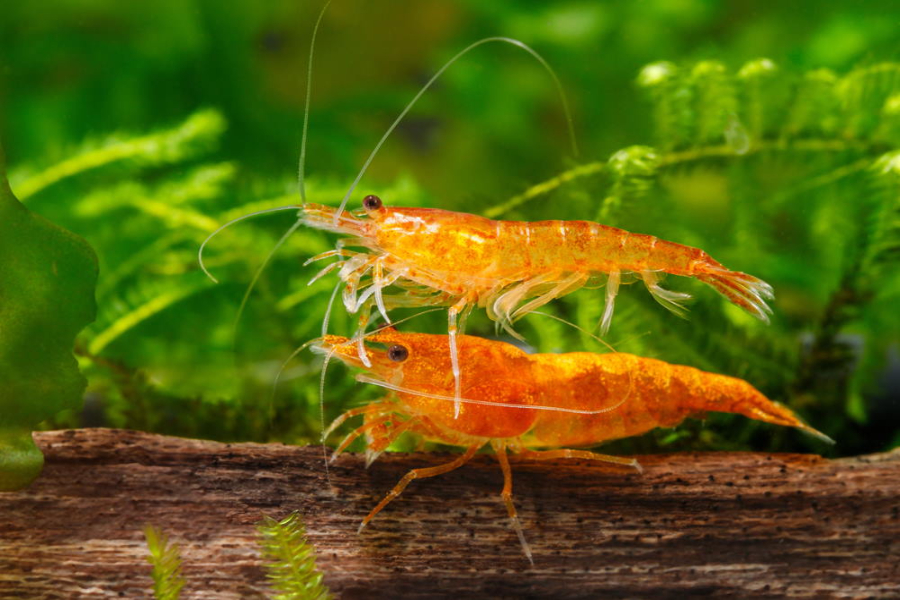
Table of Contents
- Introduction to Aquarium Shrimp
- Types of Aquarium Shrimp
- Essential Care for Aquarium Shrimp
- Setting Up the Perfect Aquarium for Shrimp
- Common Health Issues and How to Prevent Them
- Conclusion
Introduction to Aquarium Shrimp
Aquarium shrimp are a popular choice for aquarists due to their unique appearance and beneficial roles in the tank. Not only do they add color and activity to your aquarium, but they also help keep the tank clean by consuming algae, leftover food, and detritus. In this guide, we’ll explore the different types of aquarium shrimp, how to care for them, and tips for maintaining a healthy shrimp tank.
Types of Aquarium Shrimp
There are several types of aquarium shrimp, each with distinct characteristics. The most common types include:
- Freshwater Shrimp: These shrimp are best suited for aquariums with freshwater environments. They thrive in water that’s pH-neutral to slightly acidic and prefer a well-planted tank with plenty of hiding spots.
- Tropical Shrimp: Tropical shrimp, such as the Cherry Shrimp and Amano Shrimp, do well in warmer water and often coexist with other tropical fish. They are colorful and often used as decorative additions to the aquarium.
- Cold Water Aquarium Shrimp: These shrimp are adapted for colder water temperatures. They are ideal for aquariums that do not have a heater or for those that prefer lower-maintenance setups.
- Vampire Shrimp: Known for their unique appearance and fascinating behavior, Vampire Shrimp are a standout species in any aquarium. They are filter feeders and require a specific setup to thrive.
Essential Care for Aquarium Shrimp
Shrimp care revolves around maintaining stable water conditions and providing proper nutrition. Here’s how you can keep your shrimp healthy:
- Water Quality: Water quality is crucial for shrimp health. Regularly test the water parameters like pH, ammonia, nitrites, and nitrates to ensure they stay within the appropriate range for your shrimp species.
- Temperature and Lighting: Most aquarium shrimp prefer a temperature between 22-26°C (72-79°F). They also require moderate lighting to encourage plant growth and maintain a natural habitat.
- Feeding Aquarium Shrimp: Aquarium shrimp are scavengers and will eat algae, detritus, and leftover food. Supplement their diet with shrimp pellets, blanched vegetables, and other high-quality shrimp foods to ensure they get all the nutrients they need.
Setting Up the Perfect Aquarium for Shrimp
When setting up your shrimp aquarium, consider the following:
- Tank Size and Equipment: A tank of at least 20 liters (5 gallons) is ideal for most shrimp species. Be sure to equip your tank with a sponge filter, as regular filters may suck up the tiny shrimp.
- Substrate and Decorations: A fine substrate like sand or gravel is perfect for shrimp. Add live plants, driftwood, and small caves or rocks for hiding spots and grazing opportunities.
Common Health Issues and How to Prevent Them
Though shrimp are hardy, they can still encounter health problems. Preventative care is the best approach:
- Disease Prevention: Regular water changes, maintaining proper water parameters, and quarantining new shrimp are key to preventing diseases like bacterial infections or parasites.
- Signs of Stress: If your shrimp are molting too frequently, staying hidden, or losing their color, it could be a sign of stress. Stress is often caused by poor water conditions or incompatible tank mates.
Conclusion
Aquarium shrimp are a rewarding addition to any tank, providing both functional and aesthetic benefits. By understanding the different types of shrimp, proper care techniques, and how to prevent common health issues, you can create a thriving shrimp aquarium that will delight for years to come.


 Keith Bell